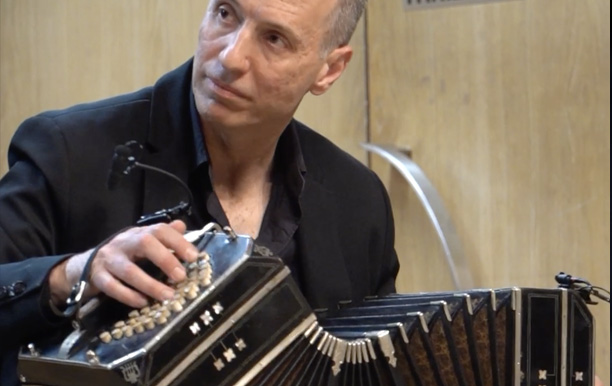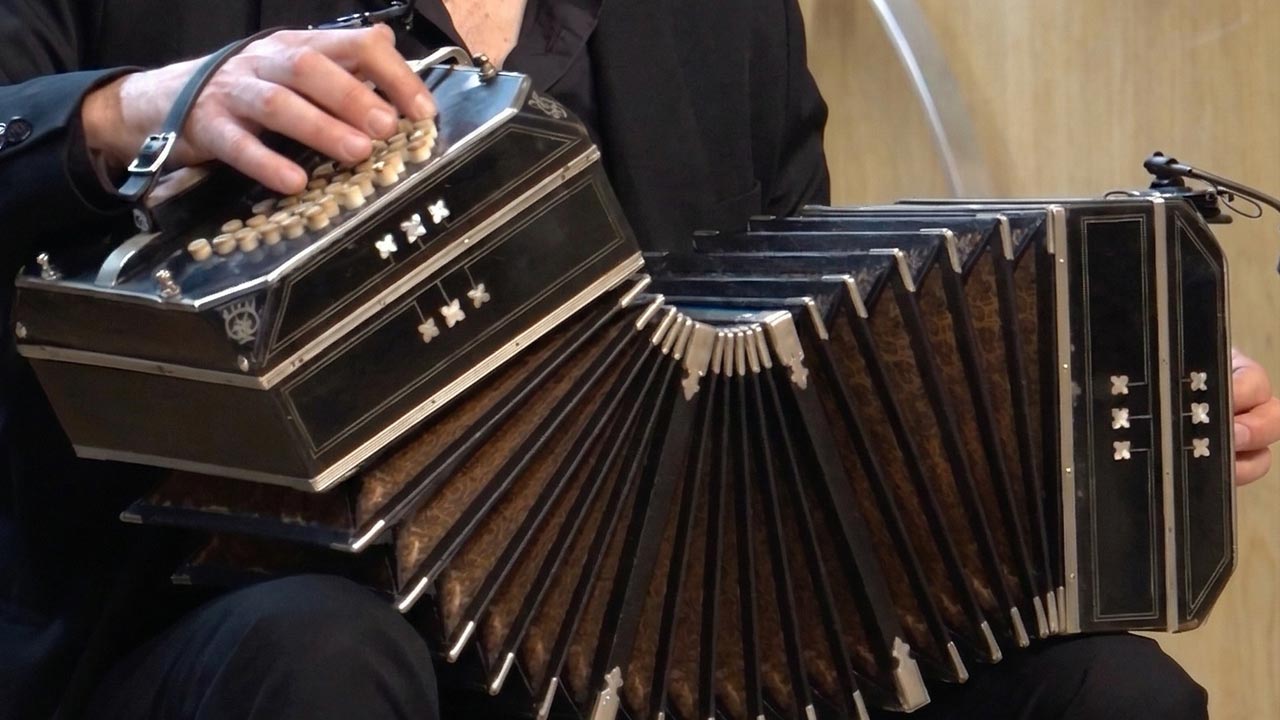
Chasing an Instrument: The Bandoneon
In 1999, thanks to the first Argentine Tango workshop organized in Ankara, I was introduced to tango dancing. Both the creative complexity of the dance and the music itself immediately captured my attention.
As my interest in tango music grew, I became increasingly fascinated by its emotional, melodic, and rhythmic richness. Naturally, I began exploring the instruments that formed the foundation of this music. At the time, I was already playing the piano and was eager to perform tango music on it. In Agnolim Tango Orchestra, the first tango orchestra we formed, I was the pianist.
Everywhere we performed, people complimented our music. Yet they also pointed out that something important was missing.
Can you guess what it was?
The bandoneon.
No matter how much people enjoyed our performances, they often remarked that an orchestra without a bandoneon could never fully sound like a true tango orchestra. Many encouraged us to find a way to include one in the ensemble.
At that time, however, I knew almost nothing about the instrument beyond its sound. Since bandoneons were virtually nonexistent in Turkey, I had no real idea what one looked like or how it worked.
In the early 2000s, the internet was nothing like it is today. Information was difficult to find, especially about a niche instrument such as the bandoneon.
After a great deal of searching, I eventually made contact with a bandoneon player in the United States. Through Yahoo discussion groups—which were a major source of information at the time—I learned a great deal about the instrument and received valuable advice about how I might acquire one myself.
I plan to tell that story in greater detail in another article.
For now, let's jump ahead to 2004, the year I finally got my bandoneon.
Knowing how complex the instrument was, I decided to prepare before it arrived. Together with my wife, I spent about four months building a life-sized practice model.
We took a cube-shaped box and attached buttons to both sides, creating something that looked remarkably like a bandoneon but produced no sound whatsoever. Every day I used this silent replica to learn the button layout and practice fingering patterns. In my imagination, I was already playing the instrument.
As it turned out, that unusual preparation was one of the best decisions I ever made.
When the real instrument finally arrived five or six months later, I discovered that the hours spent practicing on the model had paid off. The transition to the actual bandoneon felt surprisingly natural.
From there, I immediately focused on the next challenge: performing in public.
About four months after acquiring the instrument, I performed my first concert with Tango Artı Orchestra. In many ways, it felt like throwing myself into the ocean in order to learn how to swim.
That concert motivated me even more.
Since 2004, I have performed in nearly two hundred concerts and events with the instrument I have grown to love so deeply.
Because I also work in the software industry and develop mobile games and applications, I eventually decided to combine those two worlds.
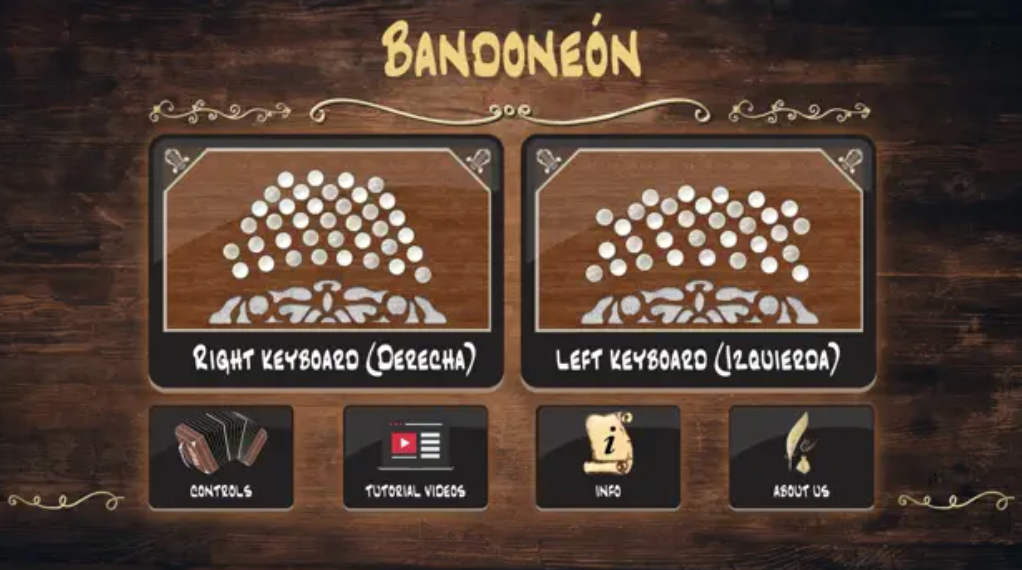
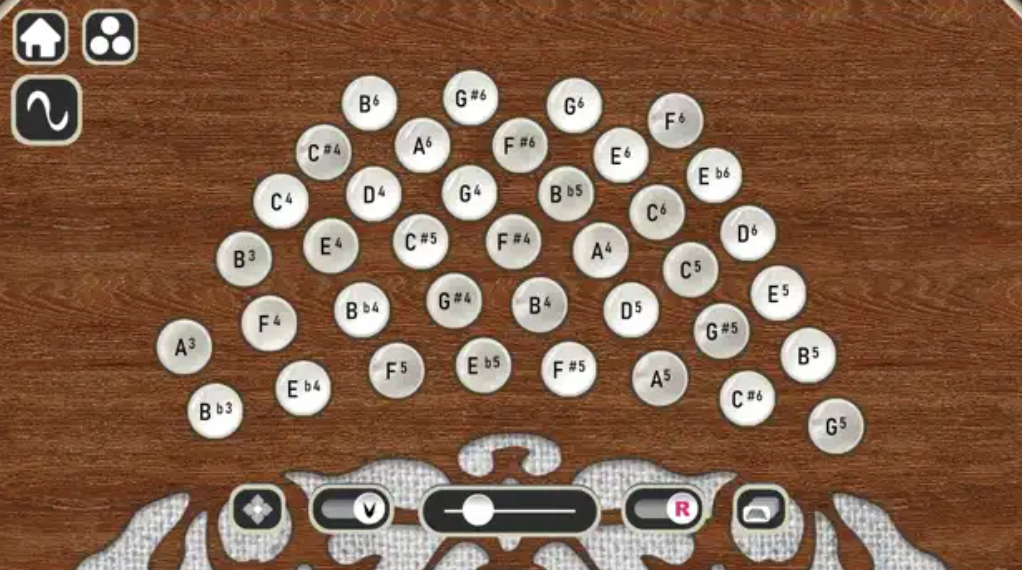
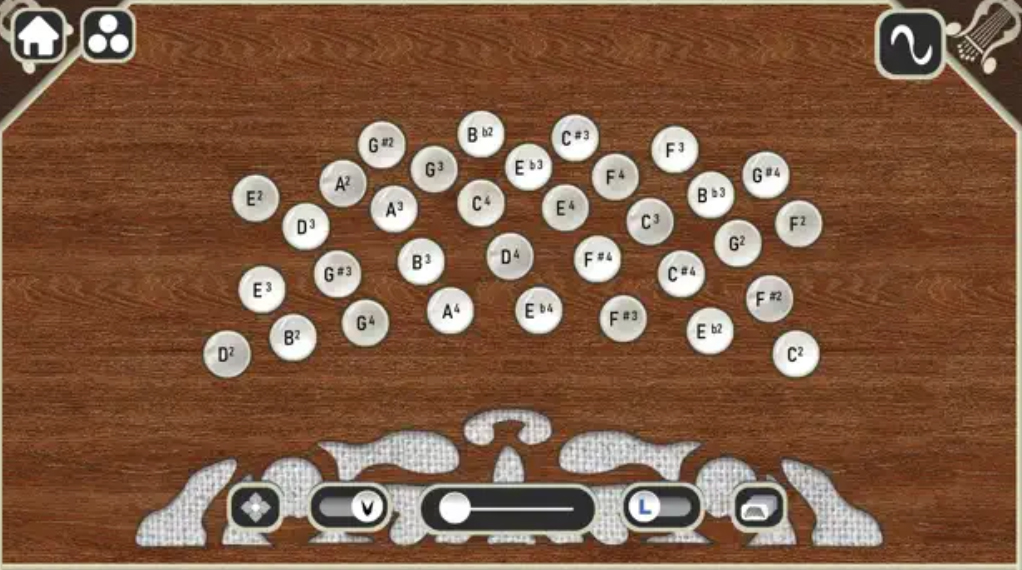
In 2012, I released an application called Bandoneon on the Apple App Store. My goal was both to help myself practice and to provide a useful learning tool for anyone interested in the instrument.
Using high-quality recordings from a real bandoneon, the app allows users to play and practice in a way that closely resembles the actual instrument. It is particularly useful for beginners as well as for experienced players looking for a convenient practice tool.
Over the years, I continued refining and improving the application. Today, anyone with an iPad or iPhone can download it, learn the fundamentals of the bandoneon, and even play simple pieces.
I will also share the application's page and promotional video.
Visit the Bandoneon App page
Stay tuned.
I still have many stories to tell.
Video
Gallery
Back to Blog